March 13th, 1985.
Luton Town welcomed Millwall to Kenilworth Road for an FA Cup quarter-final, with a place in the last four at stake. But this wasn’t going to be an ordinary cup tie. Millwall were travelling in enormous numbers, accompanied by the growing reputation of the Bushwackers. Waiting for them in Luton were the MIGs, a firm with a reputation of their own and no intention of being intimidated on home territory. Tonight, we’re going back to that infamous Wednesday evening and hearing what happened from both sides.Two rival firms. Two very different perspectives. This is Luton v Millwall 1985. Let’s hear the stories..
Luton Town MIG’s Tell Their Story
First we have Luton Town ex-MIG’s member Carl who told us….“I knew before I even got near Kenilworth Road that this wasn’t going to be a normal cup night. You could feel it around Luton from late afternoon. Word had gone round that Millwall were bringing numbers, proper numbers, and every pub seemed to have somebody standing outside talking about trains coming in, coaches arriving and faces nobody recognised wandering about town. This was 1985 and you didn’t need phones or social media. News travelled through pubs, mates, brothers and blokes who knew somebody at another club. By five o’clock there were stories of trouble already starting. Shop windows had gone, pubs were packed and police vans were appearing everywhere. We were Luton and this was our town. Nobody was pretending Millwall were just another visiting support either. Their name carried weight. The Bushwackers had a reputation, and everyone knew what sort of evening this could become.”
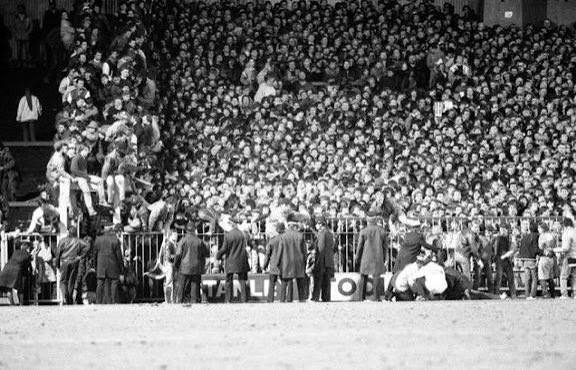
“By the time we got towards Oak Road, the atmosphere had changed completely. You normally knew the rhythm of a football match: a few songs, shouting across the road, police keeping groups apart and everyone eventually disappearing through the turnstiles. This felt different. There seemed to be Millwall everywhere, far more than anybody had expected. Some weren’t even people I associated with Millwall. You heard Chelsea mentioned, West Ham mentioned, all sorts. Whether half of it was true or terrace gossip, nobody knew. Inside the ground it looked ridiculous. The away end was rammed long before kick-off. People were climbing wherever they could find space, even around the scoreboard and fencing. We were packed into Oak Road watching it build. You could sense something was going to happen. Police were already struggling and the match hadn’t even started. It felt less like waiting for an FA Cup quarter-final and more like waiting for a storm.”
Millwall Invade The Pitch
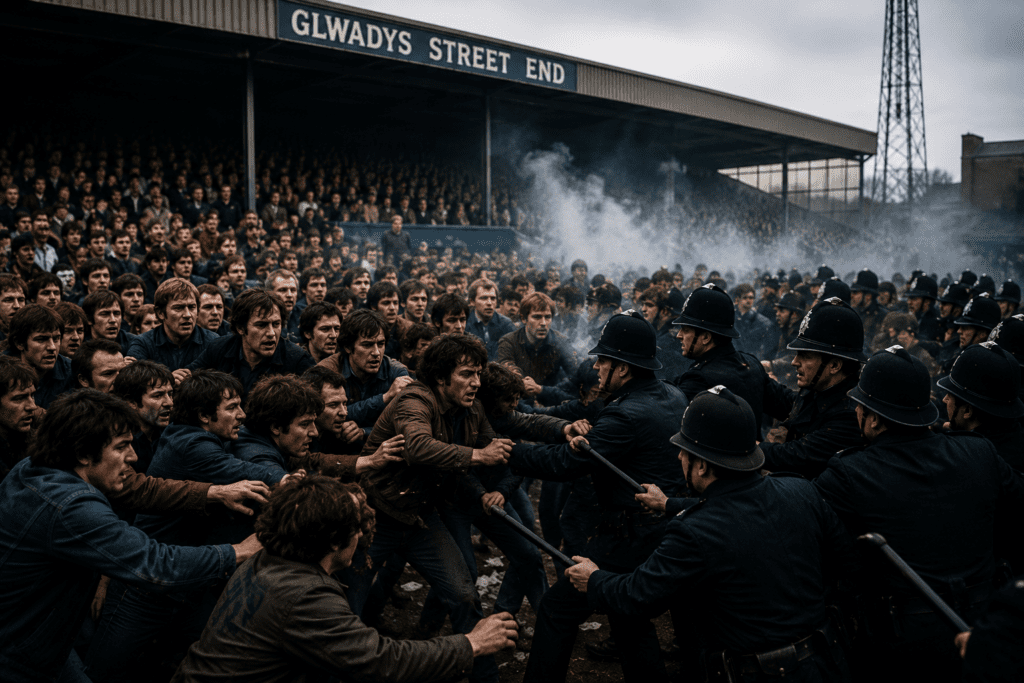
“Then suddenly they were over. Hundreds seemed to come across from the Kenilworth Stand area and onto the pitch. Everything happened at once. People around us started moving backwards up the terrace. Bottles, coins and whatever else people could pick up began flying. Nobody could properly see who was throwing what because the whole end had become chaos. One minute we were singing, the next everyone was trying to work out whether the away mob were actually going to reach us. There was panic mixed with bravado. Some lads wanted to stand their ground, others were trying to get ordinary supporters out of the way. The police looked completely overwhelmed. I remember looking towards the pitch and thinking I had never seen officers lose control of a football ground so quickly. Even the players came out to warm up and disappeared again almost immediately. Football had become completely irrelevant.”
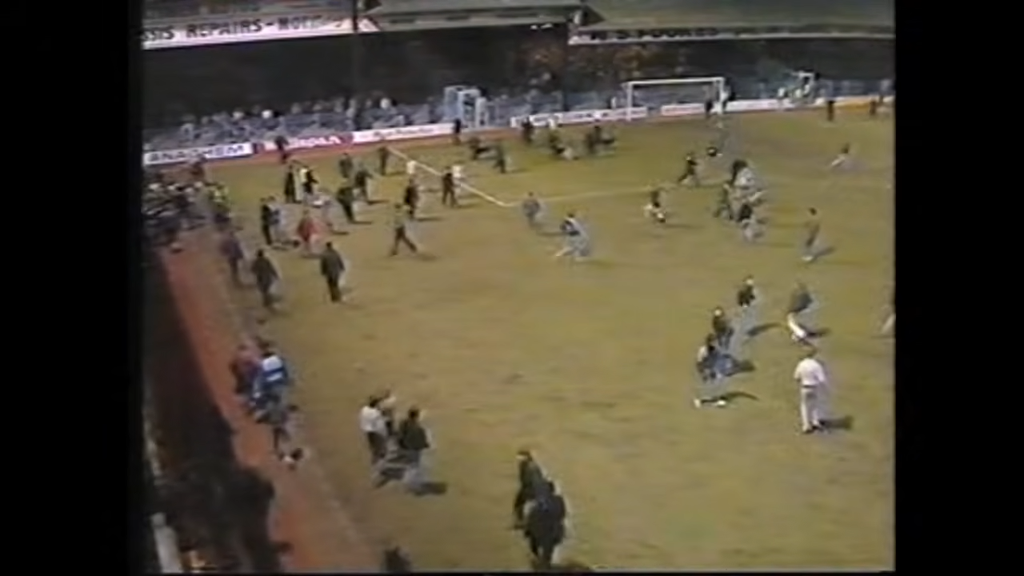
“Eventually they managed to push people back and there were announcements saying the match wouldn’t start until everyone returned to their sections. Somehow the game actually kicked off on time. That still amazes me. You had lads perched on pylons, police everywhere and pieces of the ground already damaged, yet there were twenty-two footballers expected to carry on as though this was a normal Wednesday evening. Fourteen minutes in it all kicked off again and the referee stopped play. We stood there wondering whether the game would ever finish. When Brian Stein scored after half an hour, Oak Road erupted. For a few seconds it felt like football again. One-nil to Luton against Millwall in an FA Cup quarter-final. But even while celebrating, everyone knew the night wasn’t finished. You kept one eye on the pitch and another on the away end. Nobody believed the final whistle would be the end of it.”
Trouble Brewing
“The longer the second half went on, the more nervous everyone became. There was talk that Millwall might come on again if they were losing. Police started repositioning themselves and the atmosphere became nastier by the minute. Les Sealey was down the other end with missiles coming towards him and seats had already been ripped out elsewhere in the ground. When the referee finally blew for full time, there was barely time to celebrate. Luton had won 1-0 and reached the semi-final, but almost immediately people were moving again. The players vanished down the tunnel and police flooded towards the trouble. From where we were standing you could see seats coming loose and officers charging forward, then falling back, then going forward again. It looked unbelievable. This was our little ground, hemmed in by houses, and suddenly it seemed as though every part of it was involved.”
“Outside was no better. Sirens were everywhere and groups were moving through streets that normally emptied fairly quickly after matches. Residents were standing at windows wondering what on earth had happened to their neighbourhood. Cars were damaged, businesses had windows smashed and police were trying to move thousands of people away from the ground. By then the swagger had gone out of most people. This wasn’t a normal football scrap anymore. It had become something bigger and uglier. We knew the newspapers would go mad the next morning, and they did. Pictures of Kenilworth Road were everywhere. Politicians were talking about football supporters as though every person who stood on a terrace was part of an invading army. Millwall took most of the blame because of their reputation, although anyone who was there knew the crowd contained people from more than one club.”
“Looking back, that night changed things. At the time we were mostly thinking about beating Millwall and getting through to the FA Cup semi-final. Nobody standing on Oak Road was discussing government policy or football legislation. But afterwards everything changed quickly. Luton banned away supporters. Membership cards appeared. Fences, policing and restrictions became bigger parts of going to football. The authorities had seen Kenilworth Road as proof that something drastic had to happen. For us, the strange thing was that one of the greatest results in the club’s history became almost forgotten beside what happened around it. Ask people about Luton against Millwall in 1985 and they rarely mention Brian Stein first. They mention the riot. I can still remember standing there before kick-off, watching that packed away terrace and thinking, “This doesn’t look right.” I had no idea then that people would still be talking about that night forty years later.”
The Bushwacker’s Perspective
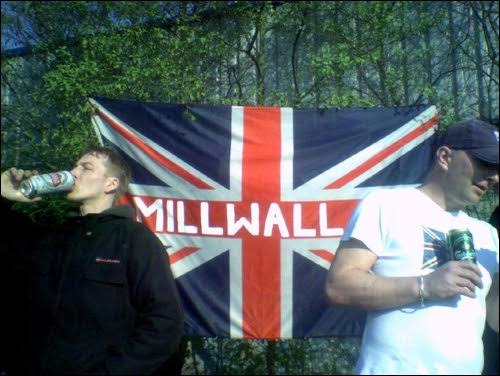
Millwall Bushwacker Steve told us…”Everyone seemed to know somebody going to Luton. That was the first thing I remember. It was the FA Cup quarter-final, March 1985, and Millwall were one game away from a Wembley semi-final. We weren’t one of the glamour clubs and nights like this didn’t come around often. So people came out who hadn’t been going regularly, lads brought mates and others tagged along because they knew it would be a big Millwall turnout. Our reputation had already travelled ahead of us everywhere we went. Mention Millwall in those days and people didn’t immediately talk about football. They talked about the crowd. The Bushwackers name was known and the newspapers loved it. Sometimes the reputation worked in our favour because opponents expected an army before we had even arrived. Sometimes it meant every incident became “Millwall riot” before anybody had worked out who had actually been involved. Luton would become the biggest example of that.”
“We arrived early and the place was already heaving. Kenilworth Road wasn’t built for the sort of numbers that turned up that night. Everything around the ground felt cramped: narrow streets, terraced houses, little pubs and thousands of supporters trying to get through the same spaces. By late afternoon there had already been incidents around town. You heard windows had gone and police were struggling to keep groups apart. Inside was worse. The away terrace filled rapidly and then just kept filling. There seemed to be no proper control on how many were coming through. People were squeezed together and climbing onto anything that gave them room. Some perched near the scoreboard. Others were hanging around barriers. Everyone was moaning about the organisation. Millwall had apparently wanted the match made all-ticket. It hadn’t happened, and now you had a massive travelling crowd arriving at a ground that simply wasn’t ready for it.”
Millwall On The Pitch
“Before kick-off the pressure finally spilled over. People started going over the fencing and onto the pitch. Once a few had gone, more followed. That’s how these things happened in those days. A dozen moved and suddenly a hundred were behind them. Police rushed across but there weren’t enough officers in the right places. From behind you couldn’t even tell exactly what had started it. All you saw was bodies moving and everyone else reacting. The Luton end emptied backwards as people came across the pitch and missiles started flying between sections. Seats were pulled loose elsewhere and the players barely appeared before heading straight back inside. The tannoy was ordering everyone back and the scoreboard carried a warning that the game wouldn’t begin until the pitch was cleared. Eventually people drifted back towards the away section, partly because nobody wanted to travel all that way and then see the match abandoned before it had even started.”
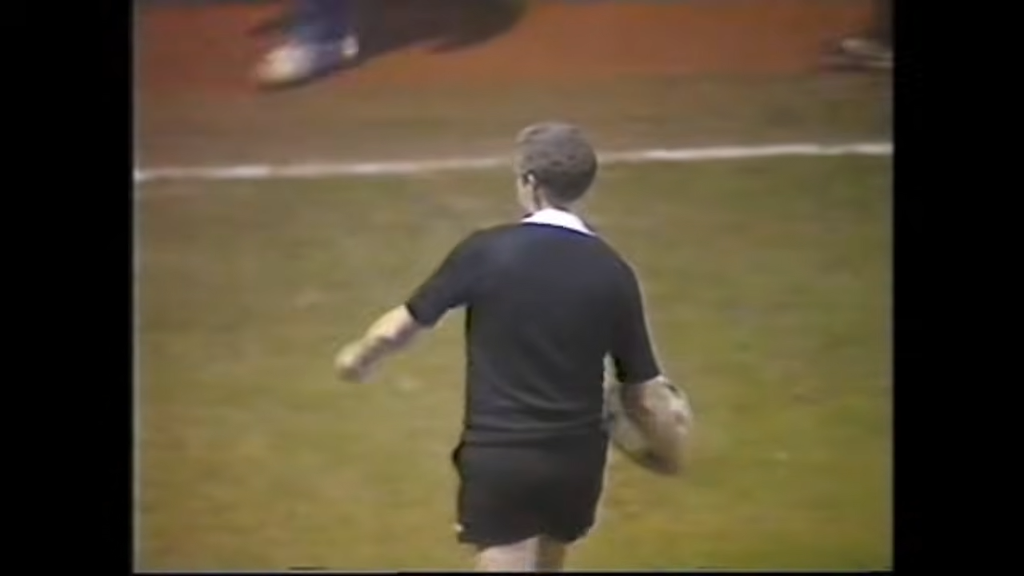
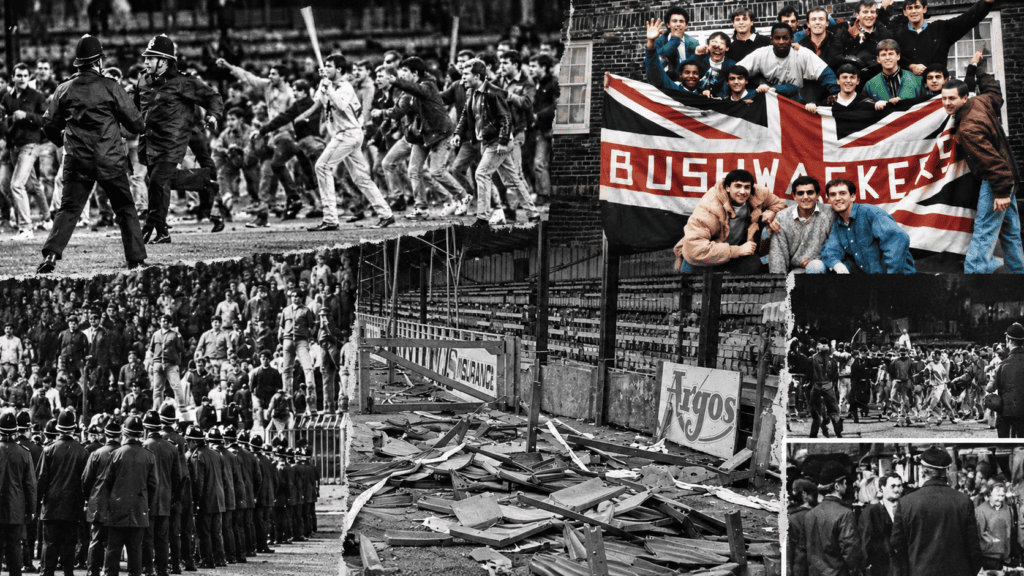
“Somehow the referee got the game underway. It was bizarre. The terraces looked wrecked in places, there were police dogs around the perimeter and supporters were perched where supporters definitely weren’t supposed to be perched, yet the whistle blew and suddenly we were watching football. It didn’t last long. After about fourteen minutes there was another disturbance and the game was stopped for around twenty-five minutes. By then nobody knew whether we would ever finish. Eventually play resumed and Brian Stein scored for Luton. That changed the mood again. Going one down was bad enough, but everyone knew how close Millwall were to a cup semi-final. The longer the game went without an equaliser, the more frustration grew. There were still bits and pieces happening around the ground, but the police numbers were increasing and they were much more prepared than they had been before kick-off.”
Rioting Beyond Belief
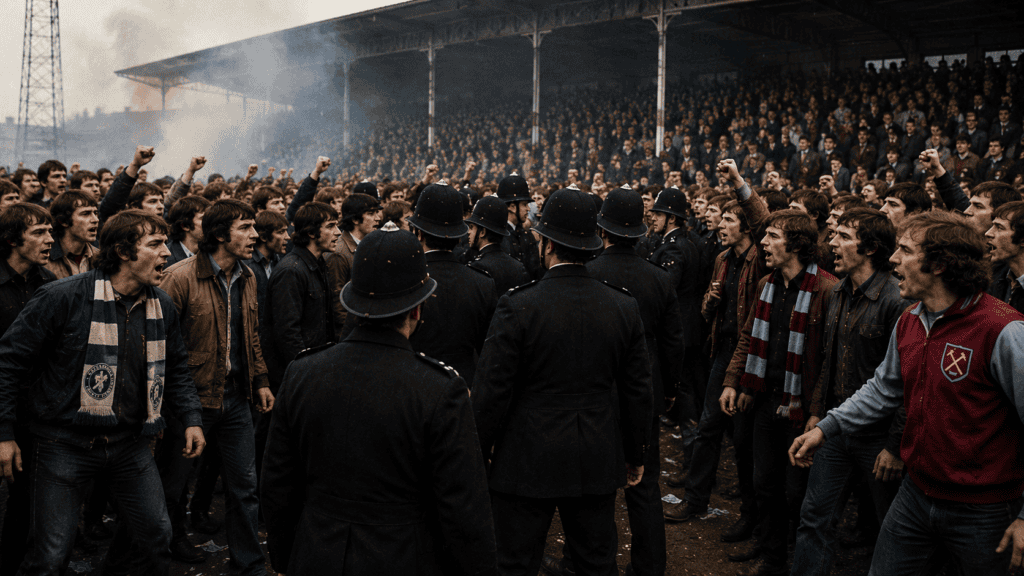
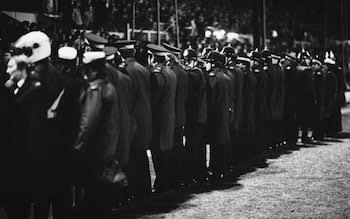
“When the second half moved towards the final whistle, you could sense the tension rising. Every attack mattered and every stoppage brought shouting from behind the goal. Millwall couldn’t score. Luton defended the lead and time disappeared. When the whistle finally went, confirming a 1-0 defeat, sections of the crowd moved forward again. Players from both sides headed rapidly towards the tunnel. Then the night exploded for the final time. People came onto the pitch and police formed lines across it. Seats were being ripped from stands and thrown, while officers charged in groups trying to force everyone back. From inside that crowd you didn’t have the wide television picture people later saw. You saw a few yards in front of you: police helmets, supporters running in different directions and everyone shouting. There was no organisation anymore. It was simply chaos.”
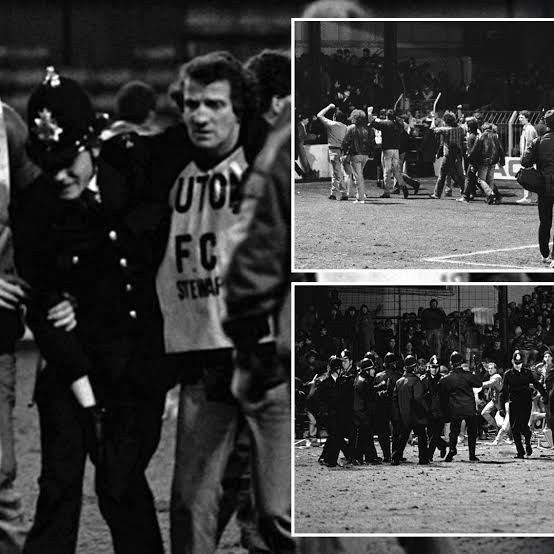
“Eventually the police began getting the upper hand and people were forced away from the ground. Outside, trouble carried on through the surrounding streets. What had started as an FA Cup trip had turned into something that would dominate television and newspapers for days. Dozens were injured, including many police officers, and arrests followed. What surprised plenty of Millwall supporters afterwards was hearing that a number of those arrested claimed to support other clubs, including West Ham and Chelsea. Nobody pretended Millwall had been innocent. Plenty of our lot had been involved and everybody could see that. But the story quickly became simpler than reality: Millwall had arrived in Luton and destroyed the place. That fitted the reputation people already knew, so that became the version that stuck.”
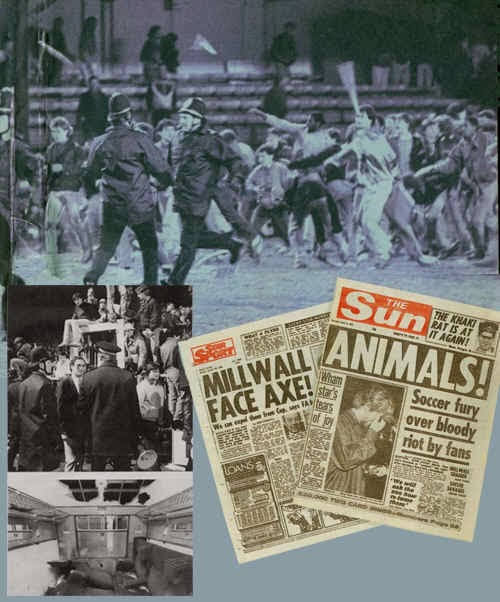
“The consequences lasted much longer than the evening itself. Millwall’s name became almost shorthand for football hooliganism. Luton banned visiting supporters and introduced a membership scheme. Politicians demanded tougher measures. Grounds changed, policing changed and eventually laws surrounding football disorder became far stricter. Watching footage years later is strange because the whole era looks different: huge terraces, fencing, packed ends and police trying to control situations that modern stadiums are designed to prevent. At the time none of us imagined we were watching a turning point in English football. We thought we were going to Luton for an FA Cup quarter-final. Instead, 13 March 1985 became one of those nights permanently attached to the Millwall name. Whatever club you supported, after Luton everyone understood that football in England was about to change.”
Aftermath
We thank Carl and Steve for their recollections. A night that would become one of the most infamous in English football history and leave consequences stretching far beyond Kenilworth Road. But you’ve now heard the story from both sides — the Luton MIGs defending their home territory and the Millwall Bushwackers arriving in extraordinary numbers for an FA Cup quarter-final. Whose version did you find most interesting? Let me know in the comments below. And if you enjoy these stories from football’s old terraces, please share our story. Did you see our previous story? Why Wolves Fans Hate the Chelsea Headhunters: 1970s Feud
Thanks for visiting, and I’ll see you in the next story.
📺 Watch the Original Video
If you enjoyed this article, watch the full story from The Terrace Archive below.
Read More Terrace Stories
 Millwall vs Hibs 1990: Bushwackers vs CSS
 Coventry vs Leicester 1984: The M69 Derby That Exploded Into Chaos
 Everton vs Millwall 1973: The Day Millwall Walked Into Everton’s End
 Millwall vs West Ham 1972 | Harry Cripps’ Testimonial Told From Both Sides
 Cardiff vs Millwall 1999: Soul Crew and Bushwackers from Both Perspectives